


How to Maintain Fishing Rods for Longer Life
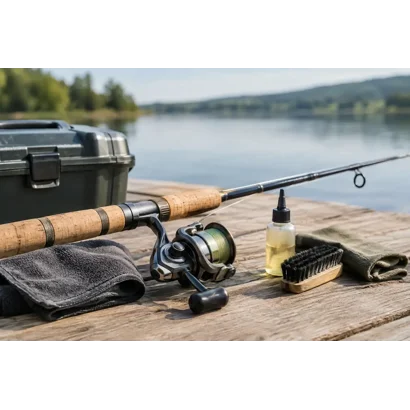
How to Maintain Fishing Rods for Longer Life
Tuesday, September 22, 2026 - 0 Comments
Posted by Mick
A rod can look perfectly sound in the shed, then let you down when a guide insert cracks, a ferrule works loose or a tired line catches on rough damage. Knowing how to maintain fishing rods is not about fussing over tackle after every cast. It is a few sensible habits that protect the blank, guides, handle and joints from the mud, grit, salt and damp that come with regular fishing in the UK.
Whether you fish a local pond with a float rod, spend weekends on a commercial carp water or head to the coast for bass and mackerel, clean and properly stored tackle lasts longer and performs as it should. It also makes faults easier to spot before they cost you a fish.
Clean your rod after every session
The best time to clean a rod is when you get home, before dried mud and salt have a chance to settle. A quick wipe is usually enough after freshwater fishing. Use a soft cloth dampened with clean water to wipe down the blank, handle, reel seat, guides and butt cap. Pay particular attention to the area around the reel seat and the underside of the rod, where mud and groundbait residue often collect.
For sea fishing, rinse the rod gently with fresh water first. Salt is hard on metal guide frames, reel seats and any exposed fittings, especially if it is left in place for several days. Do not use a high-pressure hose. It can force water into gaps around fittings and is unnecessary for a rod that only needs a careful rinse and wipe-down.
Avoid strong household cleaners, solvents and abrasive pads. They can dull the finish, damage decals and dry out cork or EVA grips. If a handle is particularly grubby, a little warm water with mild washing-up liquid on a cloth will normally shift it. Wipe it again with clean water and let the rod dry fully before putting it away.
Check the guides and tip ring closely
Guides are small components, but they take constant punishment from line, water, bankside knocks and transport. A bent frame may be obvious. A chipped ceramic insert is more easily missed, yet it can roughen or cut line and cause unexplained break-offs.
Run a cotton bud or a piece of nylon stocking around the inside of every guide and the tip ring. If fibres catch, inspect the insert under good light. Any crack, groove or sharp edge means the guide needs attention before the rod goes back into use. Replacing a single damaged guide is generally far better value than risking repeated line damage or losing a hooked fish.
Also look for corrosion around guide feet and loose whipping. A little surface discolouration does not always mean a guide will fail, but rust that is lifting the finish or movement at the guide should be dealt with. Sea anglers should make this inspection more often, particularly after fishing from rock marks, piers or beaches where rods are exposed to spray.
Look after ferrules, joints and reel seats
A multi-piece rod relies on clean, secure joints. Before assembling it, wipe dirt from both male and female ferrules with a dry, lint-free cloth. Fine grit trapped in a joint can wear the surfaces and prevent the sections seating correctly. Never force two sections together when they are dirty or wet.
Push-over ferrules should fit firmly, but they should not need excessive pressure. Check them during a session, as repeated casting can sometimes cause sections to creep loose. If a ferrule is difficult to separate after fishing, twist gently while pulling in a straight line. Do not bend the rod sections sideways or use tools for leverage.
Spigot joints need a small visible gap when new. That gap is normal and allows for future wear. Do not try to push the sections together until they meet. If a joint starts feeling unusually loose, stop using the rod until you can identify the cause. Tape may get you through a session in an emergency, but it is not a long-term repair.
The reel seat deserves the same attention. Remove the reel occasionally and wipe away trapped sand, old line and water. Check that the locking hood tightens evenly without cross-threading. A reel that rocks in its seat puts strain on the fitting and makes casting less comfortable.
Protect the blank from knocks and pressure
Most rod damage does not happen while playing a fish. It happens in the car, on the bank or at home. Carbon blanks are light and strong in the direction they are designed to flex, but a sharp side impact can cause damage that is not immediately visible.
Use a rod sleeve for each rod and a padded holdall or rod tube for transport. This matters just as much for short journeys as it does for a week away. Do not lay rods loose beneath tackle boxes, landing net handles or heavy chairs. Equally, avoid leaning an assembled rod against a vehicle where it can slide down or be caught by a closing door.
When fishing, keep rods clear of foot traffic and take care when placing them on hard ground. A rest, pod or bankstick setup keeps the blank out of mud and reduces the chance of someone standing on it. If you fish with children, dogs or a busy group of mates nearby, a little extra organisation saves a surprising number of accidents.
Inspect the blank after any significant knock. Look for a flat spot, crack, splintering, whitening in the finish or a section that feels rougher than the rest. Do not keep casting a rod with suspected structural damage. A blank can fail suddenly under load, and a professional repair assessment is safer than guessing.
Store fishing rods dry, straight and supported
Storage is where many good rods slowly come to grief. Never put a wet rod straight into a sealed holdall for weeks. Damp can encourage corrosion, leave marks on handles and create a musty smell in sleeves and luggage. Let the rod air-dry indoors first, away from direct heat.
Store rods horizontally on proper supports or vertically in a rack where they cannot lean and bend under their own weight. If space is limited, keep them in their sleeves and make sure nothing heavy rests on top. A loft, garage or shed can be suitable, provided it is dry and does not become excessively hot or damp.
Keep rods away from radiators, sunny windows and the back shelf of a car. Prolonged heat is not kind to adhesives, varnish or handle materials. Cold is less of a concern, but sudden changes from a freezing shed to a warm room can leave condensation on metal fittings, so allow the rod to dry before storing it again.
Do not overlook the handle and accessories
Cork, EVA and shrink-tube handles all need slightly different care, but the principle is the same: keep them clean without soaking them. Cork can be gently cleaned with a damp cloth and allowed to dry naturally. Heavy sanding may make it look fresh for a moment, but it removes material and can leave the grip uneven.
EVA is hard-wearing, though groundbait, fish slime and sunscreen can make it slippery. Mild soapy water is usually sufficient. Check butt caps, hook keepers and decorative trim while cleaning. A loose butt cap can admit dirt and moisture, while a bent hook keeper can snag line or catch on a sleeve.
If you use rod bands, make sure they are clean and not pulled excessively tight around guides or blanks. A proper rod sleeve offers better protection than relying on bands alone, particularly when rods are carried in a car or stored alongside other tackle.
A simple seasonal inspection routine
Before the first serious trips of spring and again at the end of the main season, give each rod a slower inspection. Assemble it, check guide alignment, examine every joint and fit the reel you normally use. A rod that feels right in the garage is less likely to throw up a surprise at first light on the bank.
For a useful check, focus on these five areas:
- guide inserts and frames for chips, corrosion or looseness;
- ferrules for dirt, wear and a secure fit;
- the blank for impact marks, cracks and lifting finish;
- the reel seat for damaged threads or movement; and
- sleeves and holdalls for damp, grit and failed zips.
This is also the right time to deal with minor repairs. Replacing a tip ring, renewing worn rod bands or cleaning a neglected holdall is easier before a planned session than the night before it.
Good rod care is mostly ordinary housekeeping, not a specialist workshop job. Wipe it down, keep joints clean, inspect the guides and give it dry, protected storage. Those few minutes after fishing help ensure that the rod you trust on the bank is ready when the next chance to go comes along.
Optional, for replies
No comments posted yet, check back soon.


