


How to Organise a Sea Tackle Box Properly
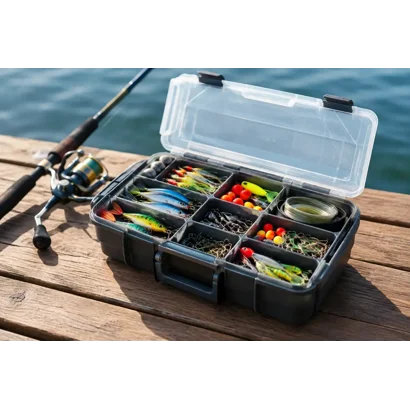
How to Organise a Sea Tackle Box Properly
Friday, September 18, 2026 - 0 Comments
Posted by Mick
A sea fishing session can change quickly. A calm beach may produce school bass close in, then a tide push brings weed, stronger flow and the need for a heavier lead. Knowing how to organise sea tackle box space properly means you can change tactics without emptying everything onto wet shingle or losing a packet of hooks in the dark.
The best layout is not necessarily the one with the most compartments. It is the one that keeps the tackle you use most often close to hand, protects sharp and easily damaged items, and leaves enough room for the rig components that suit the venue. A compact box for an evening beach session needs a different approach from a larger system used for boat fishing or a full day on a rock mark.
Start by organising tackle around the way you fish
Before sorting a single swivel, decide what the box is for. Many sea anglers get into trouble by carrying every spare item they own, regardless of the target species or conditions. The result is a heavy box, duplicated tackle and no quick way to find what matters.
For regular shore fishing, it often makes sense to keep one main tackle box for general use and prepare a smaller session box for each trip. Your main box can hold spare stock, while the smaller one carries the rigs, hooks, leads and terminal tackle appropriate for that day. This is particularly useful when you switch between clean beaches, rough ground and harbour walls.
A sensible basic split is:
- hooks, held securely by pattern and size
- swivels, clips, beads and rig-making components
- leads, stored separately from delicate items
- ready-made rigs and traces, protected from tangling
- small tools and essentials such as bait elastic, scissors and a disgorger
Keep lures separate if possible. Metal lures, plugs, soft plastics and jig heads can quickly create a muddle of hooks and damaged finishes when stored with general terminal tackle. A slim lure box with individual compartments is far easier to manage.
Choose a box that suits saltwater use
A tackle box needs to cope with salt spray, sand, rain and the occasional knock against a sea wall. Clear plastic lids are useful because you can see the contents without opening every compartment, but a strong catch and sturdy hinge matter more than appearance. A box that opens unexpectedly in the car park can waste both tackle and fishing time.
Adjustable-divided boxes work well for swivels, hooks, beads and small packets of components. Use fixed, deeper compartments for larger leads, rig winders and bait tools. If you fish from rocks or regularly walk a fair distance, do not underestimate the benefit of a compact box that fits neatly inside a rucksack or tackle bag.
Water resistance is useful, though no ordinary tackle box should be treated as fully waterproof after repeated use. Saltwater gets everywhere. A box with a close-fitting lid will reduce moisture and sand getting in, but it still needs drying and cleaning after a session.
Avoid mixing leads with small tackle
Leads are awkward, heavy and surprisingly effective at breaking or crushing lighter items. Store them in a dedicated lead wallet, a separate compartment with a secure lid, or a small tub within your tackle bag. This also stops them sliding across the box when you are travelling.
Sort leads by weight and type rather than throwing all of them together. Plain bomb leads, grip leads, pyramid leads and boat weights all have a place, but you should be able to identify them at a glance. Marking compartments with the weight in ounces or grams saves time when the tide is running and you need to go heavier.
Put hooks and rigs where they stay safe
Hooks deserve the most care. Loose hooks are unsafe, rust quickly and are almost impossible to find when mixed with swivels or beads. Keep packeted hooks in labelled compartments, or use a small hook wallet if you carry several patterns. Group them by purpose, such as Aberdeen hooks for general bait fishing, pulley pennel hooks for bigger baits, or strong patterns for rough ground.
Do not rely on memory alone. A simple label saying 1/0, 2/0 or 4/0 is enough. If you fish for several species, adding a brief note such as bass, cod or flatfish can make selection quicker for less experienced anglers.
Ready-tied rigs should not be folded into a compartment. Rig winders, trace boards or a purpose-made rig wallet keep snoods straight, hook points covered and components in order. Label each winder with the rig type, hook size and approximate snood length. This may sound fussy at home, but it is much easier than trying to work out whether a rig is a two-hook flapper or a pulley rig under a headtorch.
If you make your own rigs, keep a small section of the box for spare line, hooks, swivels, beads and crimps. That gives you the means to replace a damaged trace without filling the whole box with loose rig-making gear.
Keep the frequently used items on top
Think about the order in which you use your tackle during a session. The items you reach for first should be in the top tray, front compartment or outer pocket of your bag. For many shore anglers, that means a few ready-made rigs, a selection of leads, spare hooks, swivels, bait elastic and a small pair of scissors.
Less-used items can go deeper in the box. Spare clips, unusual hook sizes and specialist components are worth carrying, but they should not get in the way of a straightforward rig change. There is a trade-off here: travelling light is easier, while extra tackle can rescue a difficult session. Let the venue decide. A short evening trip to a familiar beach requires far less spare kit than a full day at a new mark.
A useful rule is to carry enough terminal tackle to deal with likely losses, not enough to open a shop. Rough ground and snaggy kelp beds justify extra leads, hooks and rigs. On a clean sand beach, a smaller selection is usually plenty.
Make space for tools, but keep them separate
Pliers, forceps, scissors and disgorgers are essential, especially when handling fish safely. They do not always belong inside the main tackle box, however. Wet or sandy tools can contaminate everything else, and sharp jaws can damage packets and rig winders.
A side pocket, tool pouch or dedicated section of your tackle bag is usually better. Keep a disgorger accessible rather than buried away. If you need to unhook a fish quickly, particularly a smaller fish that is to be returned, you do not want to search through leads and spare traces.
It is also worth carrying a small rubbish bag. Used line ends, hook packets and damaged rigs should go home with you, not into the tide or across the beach.
Check the box after every trip
Good tackle organisation is maintained between sessions, not created at the shoreline. Once home, remove any wet rigs, wipe down tools and leave the tackle box open in a dry place for a while. Salt residue encourages corrosion, even on tackle described as saltwater resistant.
Replace hooks that have gone dull or rusty, remove damaged line and return stray components to their correct compartments. Check your lead supply before the next trip, particularly after fishing rough ground. A quick five-minute reset means you are ready to go when weather, tide and free time finally line up.
At Astute Angling Saltwater, we know that practical fishing kit earns its place by making time on the bank, beach or boat easier. Your tackle box should do exactly that: keep the right gear protected, visible and ready when the fish are feeding.
Optional, for replies
No comments posted yet, check back soon.


