
Best Sea Fishing Tackle Setup for UK Seas
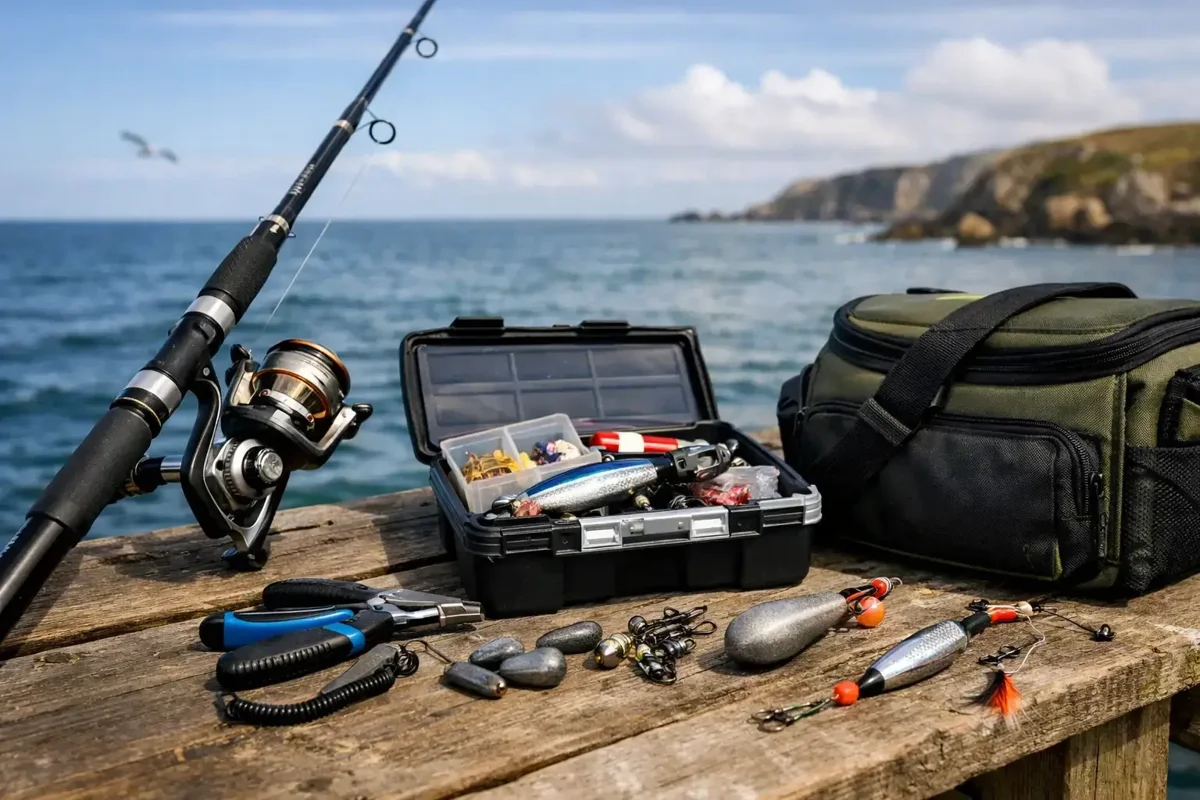
Getting the best sea fishing tackle setup right usually has less to do with buying the most expensive kit and more to do with matching your gear to where, how and what you plan to fish for. A clean surf beach in Norfolk asks very different things of your tackle than a rough mark in Cornwall or a day drifting wrecks offshore. If you want a setup that works in British conditions, the sensible approach is to build around method first and then refine your tackle from there.
What the best sea fishing tackle setup really means
For most UK anglers, there is no single outfit that covers every stretch of coast and every species well. There are a few combinations that do a lot of jobs competently, but sea fishing is still full of trade-offs. A lighter setup is more enjoyable for smaller species and short sessions, while a heavier one gives you casting range, better control in tide and more stopping power around snags.
That is why the best approach is to think in three common categories - general shore fishing, heavy beach casting and boat fishing. Once you know which of those suits your fishing, the rest becomes much easier.
Best sea fishing tackle setup for shore fishing
If you are fishing mixed ground, piers, harbours or open beaches and want one practical all-round outfit, a 10ft to 11ft 6in rod paired with a 5000 to 7000 fixed spool reel is a very useful place to start. This kind of setup covers a lot of ground for bass, flounder, schoolie cod, whiting, dogfish and general species work.
A rod rated around 2oz to 6oz gives enough backbone for ledgering but still lets you enjoy smaller fish. Fixed spool reels are straightforward to use, quick on the retrieve and well suited to anglers who want less fuss than a multiplier. For many people, especially those fishing regularly but not specialising in tournament-style distance casting, this is the easiest setup to live with.
Line choice matters. A braided mainline improves bite detection and cuts through tide well, but it needs a proper shock leader if you are casting heavier leads. Monofilament is more forgiving, cheaper to replace and often a better option for newer anglers. In rough weather and around abrasive ground, many still prefer mono for its simplicity and durability.
For terminal tackle, keep it sensible. A selection of plain leads, grip leads, swivels, beads, snood line, hooks in a few useful sizes and a couple of reliable clipped-down rigs will sort most sessions. You do not need a mountain of bits to fish effectively from the shore.
A dependable all-round shore combination
A practical all-round shore outfit would be an 11ft rod, a 6000 fixed spool reel, 15lb to 18lb mono or a suitable braid setup, plus leads from 3oz to 5oz. That gives enough flexibility for estuaries, beaches, piers and light rock marks without feeling overgunned on smaller fish.
If your local venues are mostly calm beaches and cleaner ground, lean slightly lighter. If you fish stronger tides, mixed ground or rougher weather, lean a touch heavier.
When a beachcaster is the better choice
There are plenty of marks where a lighter general shore setup starts to struggle. Strong surf, deep gullies, bigger tides and the need for distance all push you toward a proper beachcaster. In those conditions, a 12ft to 14ft rod and either a large fixed spool or a multiplier reel often makes more sense.
This is the setup many anglers think of when they picture classic sea fishing from the shore. It is built for casting 5oz to 6oz leads, holding bottom in difficult water and fishing bigger baits at range. If you are targeting cod in winter, fishing exposed beaches or trying to reach fish beyond the near gutter, heavier tackle earns its keep.
The trade-off is obvious. It is less refined for smaller species and can feel like hard work on short casual sessions. If your fishing is mostly summer evenings in estuaries and sheltered marks, a full beachcaster outfit may be more tackle than you really need.
Fixed spool or multiplier?
For many UK anglers, fixed spool reels are the easier and more forgiving option. They suit occasional casters, cope well with varied methods and remove the learning curve that comes with multipliers. If you want straightforward performance and quick setup, they are hard to argue with.
Multipliers still have loyal support for good reason. In experienced hands they cast very well, balance nicely on longer rods and are a strong choice for heavy beach work. They do, however, ask more of the user. If you are new to sea fishing or do not fish often enough to stay sharp, a fixed spool outfit is usually the more practical buy.
Best sea fishing tackle setup for boat fishing
Boat fishing changes the picture completely. You are not usually chasing casting distance, so shorter rods and more compact but powerful reels come into play. A rod in the 7ft to 8ft range, matched to the weight of lead and species expected, is a common starting point.
For general inshore boat fishing, a 12lb to 20lb class rod with a suitable multiplier reel is a dependable setup. This handles species such as cod, pollock, rays, conger on the smaller side, and general bottom fishing over reefs and banks. If you are drifting for bass or working lures, a lighter rod with a fixed spool can be a better fit.
Boat tackle needs to reflect depth, tide and method. A calm day over shallow ground is one thing. Fishing deep water with strong tide is another. There is no point buying a delicate rod if your local skipper regularly has you dropping heavy leads to stay in touch with the bottom.
Line and end tackle for boat use
Braid is especially popular on the boat because it improves contact, reduces drag in the tide and helps when fishing deeper water. A mono topshot or leader still has its place, particularly around abrasion or when a bit of stretch is useful.
Keep end tackle practical. Strong swivels, quality hooks, traces tied for the species in front of you and enough lead options for changing drift conditions matter more than overcomplicated rigs. Most effective boat setups are simple because simple rigs tangle less and fish better.
Don’t overlook the small pieces of the setup
A good rod and reel get most of the attention, but smaller tackle decisions often make the bigger difference on the day. Hooks need to match your bait and target species, not just the packet that happened to be on offer. Snood line should suit the ground and expected fish size. Leads should be heavy enough to hold but not so heavy that they kill presentation.
Then there is maintenance. Sea water is unforgiving. Even the best setup starts going downhill if reels are neglected, hooks are left damp and swivels corrode in the bottom of a tackle bag. A rinse, dry and basic check after each trip saves money and stops small problems becoming expensive ones.
Building a setup that offers value
A sensible sea fishing setup does not have to be premium across every component. In fact, many anglers are better off putting more money into the reel and main rod, then keeping rigs and consumables straightforward. Cheap hooks that open out under pressure are false economy, but nor do you need to overspend on every accessory.
If you are buying for versatility, spend where versatility matters most. A well-chosen all-round rod and reel combination will serve across many sessions. You can then adapt with different leads, traces and bait presentation rather than buying separate outfits too early.
That is where a specialist retailer can make life easier. A practical range, clear category choice and advice grounded in real UK fishing are worth more than flashy claims. Astute Angling-Saltwater fits that mould well for anglers who want tackle that is chosen for actual use, not just shelf appeal.
Choosing the right setup for your local marks
Before buying, ask yourself three simple questions. Are you mainly fishing from the shore or the boat? Do your local venues demand distance and heavy leads, or are they better suited to lighter mixed-species fishing? And are you targeting a specific fish, or do you want one outfit that will cover a bit of everything?
If you mostly fish beaches, estuaries and piers, an all-round shore setup is usually the smartest first purchase. If your fishing centres on rough winter beaches and stronger tides, go heavier from the start. If your trips are mostly boat based, choose for depth, drift and species rather than trying to force shore tackle into the job.
The best sea fishing tackle setup is the one that suits your ground, your target fish and the way you actually fish on a regular basis. Buy with that in mind, keep the end tackle sensible, and you will end up with gear that earns its place every time you head for the coast.
A well-matched setup makes sea fishing simpler, more enjoyable and far less wasteful than chasing kit you do not really need.




Thank you for posting your blog comment. It will be reviewed and set live soon. If you provided your email then you will be notified of replies to this comment.