
Fixed Spool vs Multiplier Reel - Which to Choose?
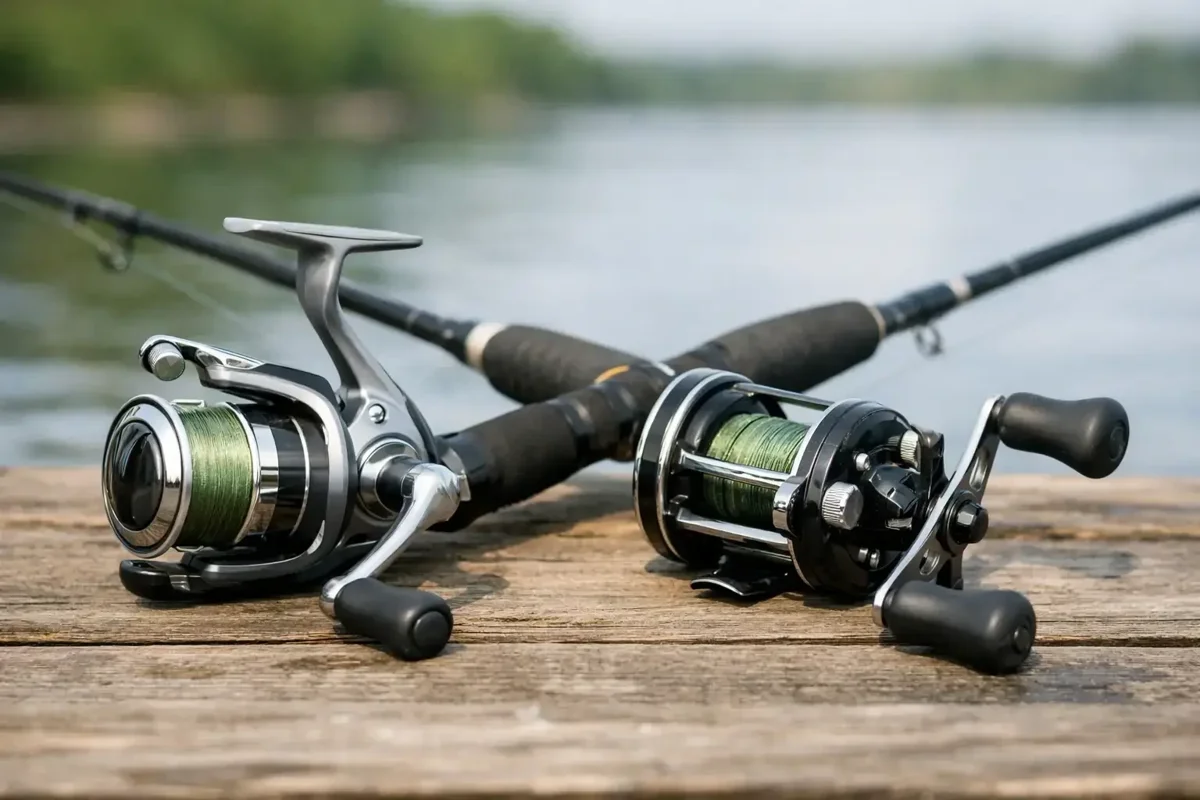
A reel that feels right on the shop counter can be frustrating on the bank if it does not suit the way you fish. The fixed spool vs multiplier reel choice is less about one design being better than the other and more about matching the reel to your rod, venue, target species and casting experience.
For most newcomers, a fixed spool reel is the easiest route to reliable fishing. A multiplier offers excellent control and power in the right hands, but it asks more of the angler. Knowing where each reel earns its place will help you spend wisely and avoid buying tackle that works against you.
What is a fixed spool reel?
A fixed spool reel, often called a spinning reel, has a spool that stays still while a rotating bail arm lays line on and off it. Open the bail arm, hold the line against the rod with a finger, cast, then close the bail arm and wind in. It is the reel most UK anglers recognise from coarse, predator, light sea and general-purpose fishing.
Its main strength is simplicity. Because line leaves the spool in coils rather than the spool rotating at speed, it is far more forgiving during the cast. There is no need to control spool speed with your thumb, so beginners can concentrate on timing, accuracy and enjoying the fishing.
Fixed spool reels cover a huge range. Small 1000 to 2500 sizes suit light lure fishing, float work and trout fishing. A 3000 or 4000 is a useful all-round size for many predator and feeder anglers, while larger models are common for carp, heavier beach work and boat fishing. The numbers vary slightly between manufacturers, so check the actual line capacity and reel weight rather than relying on size alone.
What is a multiplier reel?
A multiplier reel has a revolving spool. During the cast, the spool turns as line leaves it, then gears multiply the turns of the handle to retrieve line efficiently. The familiar overhead multiplier is widely used in sea fishing, particularly from the shore and boat, while low-profile baitcasting multipliers are popular with lure anglers targeting pike, perch, zander and bass.
The key difference is spool control. If the spool rotates faster than the line can leave it, loose coils build up inside the reel. This is the dreaded overrun or bird's nest. It can be cleared with patience, but a bad one can cost fishing time and line.
Modern multipliers use adjustable spool tension and magnetic or centrifugal braking to reduce overruns. These systems help, but they do not remove the need to learn thumb control. Once that skill is in place, a multiplier gives very direct control of the cast and can be a pleasure to use, especially with the right lure or lead weight.
Fixed spool vs multiplier reel: casting and control
Casting is where most anglers notice the biggest difference. A fixed spool reel is easier to pick up, particularly when casting into a breeze, using lighter end tackle or changing weights throughout a session. It is also more tolerant of slightly tired or overfilled line, although poor line lay and twisted mono can still cause tangles.
A multiplier takes practice, but rewards consistent technique. With a suitably weighted rig, a well-set multiplier can deliver very controlled, efficient casts. Experienced shore anglers often favour them for fishing with heavier leads because they can manage spool speed precisely and put a bait where it needs to be.
It is not automatically true that a multiplier casts farther. Distance depends on rod loading, line diameter, reel set-up, lead or lure weight, wind and the angler's technique. A fixed spool paired with a suitable rod can cast a long way with little fuss. A multiplier can match or exceed it in skilled hands, but it is not a shortcut to distance.
For close-range work, a low-profile baitcaster can be particularly useful. Flicking a lure under overhanging branches or along a reed line is often more direct than using a spinning reel. For an angler just starting with lures, however, a fixed spool remains the simpler and more versatile option.
Line capacity, drag and retrieving power
Multiplier reels are often valued for compact strength. Their spool sits in line with the rod, and many have a solid, direct feel when retrieving a heavy rig, a deep-diving lure or a fish that is using the tide. Conventional sea multipliers can carry substantial amounts of heavier line without becoming excessively bulky.
Fixed spool reels are no weak alternative. A quality model with a dependable front drag can deal with hard-fighting fish very effectively. Large fixed spools are particularly useful when casting with lighter lines, as the wider spool lip helps line leave more freely. This is one reason they are widely chosen for carp fishing and long-range feeder work.
The drag matters more than impressive maximum drag figures. It should start smoothly, stay consistent under pressure and be easy to adjust. For pike, carp or saltwater species, test that the drag does not stick after the reel has been stored. On any reel, line should be loaded to the correct level. Too little line reduces casting performance; too much invites loops and tangles.
Retrieval speed also deserves a look. A high gear ratio picks up line quickly, which can be useful for working lures or bringing a lead in above snaggy ground. It may feel less powerful under a heavy load. A lower ratio retrieves more slowly but offers useful winching power for bigger baits and heavier sea tackle. Check line recovery per handle turn where it is stated, as this gives a clearer comparison than gear ratio alone.
Which reel suits different types of fishing?
For freshwater general fishing, float fishing, feeder work and most starter lure fishing, a fixed spool is usually the sensible choice. It is easy to use, widely available in practical sizes and works with a broad selection of rods and lines. If one outfit needs to cover several methods, this is the most adaptable place to start.
For carp fishing, big pit or freespool fixed spool reels remain the usual option. They offer generous line capacity, smooth line release and, on baitrunner-style models, a controlled free-spool facility while the rod is on rests. A multiplier has specialist uses in some carp situations, but it is not the normal first purchase.
For pike and predator anglers, either style can work. A 2500 to 4000 fixed spool reel is excellent for many lure and deadbait set-ups. A baitcasting multiplier comes into its own when repeatedly casting medium to heavier lures, fishing accurately around structure or wanting a compact outfit with strong control. Light lures are generally easier with a fixed spool unless you have a baitcaster designed specifically for finesse work.
For beach casting and boat fishing, the decision is more personal. Fixed spool reels are practical, easy to manage in variable conditions and a good choice for anglers building confidence with shore casting. Multiplier reels are popular with experienced sea anglers using heavier leads and baits, especially when controlled distance and direct retrieval are priorities. A level-wind multiplier can make line lay easier, while a non-level-wind model is often preferred by anglers who want maximum casting freedom and are happy to guide line on with a thumb.
Practical buying points before you choose
Match the reel to the rod first. A reel that is too large makes a light rod tiring and unbalanced; one that is too small can struggle with the line capacity, casting weight and drag demands of heavier fishing. Fit the reel to the rod if possible, or compare its listed weight and recommended line rating carefully.
Think about the line you actually plan to use. Fixed spool reels work well with monofilament and braid, but braid requires good line lay and a suitably filled spool. On multipliers, thinner braid can be highly effective but makes an overrun harder to sort out. A sensible mono backing can help prevent braid slipping on the spool and reduces the amount of expensive braid needed.
For sea use, maintenance is not optional. Saltwater works its way into any reel. After fishing, rinse the outside lightly with fresh water, dry it thoroughly and follow the manufacturer's guidance on lubrication. Do not blast water directly into the body or drag. A reel that is rinsed and stored dry will give much better service.
Finally, be honest about how often you will use it. If you fish occasional weekends and want straightforward tackle that works across several venues, a fixed spool reel offers excellent value. If you regularly fish heavy shore gear, boat marks or lures around tight cover, taking the time to learn a multiplier can make your fishing more controlled and enjoyable.
The best reel is the one that lets you concentrate on the bite, the tide and the next cast rather than sorting out tackle trouble. Choose for the fishing you do now, leave room for the fishing you want to try next, and practise with any new reel before a session that matters.




Thank you for posting your blog comment. It will be reviewed and set live soon. If you provided your email then you will be notified of replies to this comment.