
How to Store Fishing Lures Properly
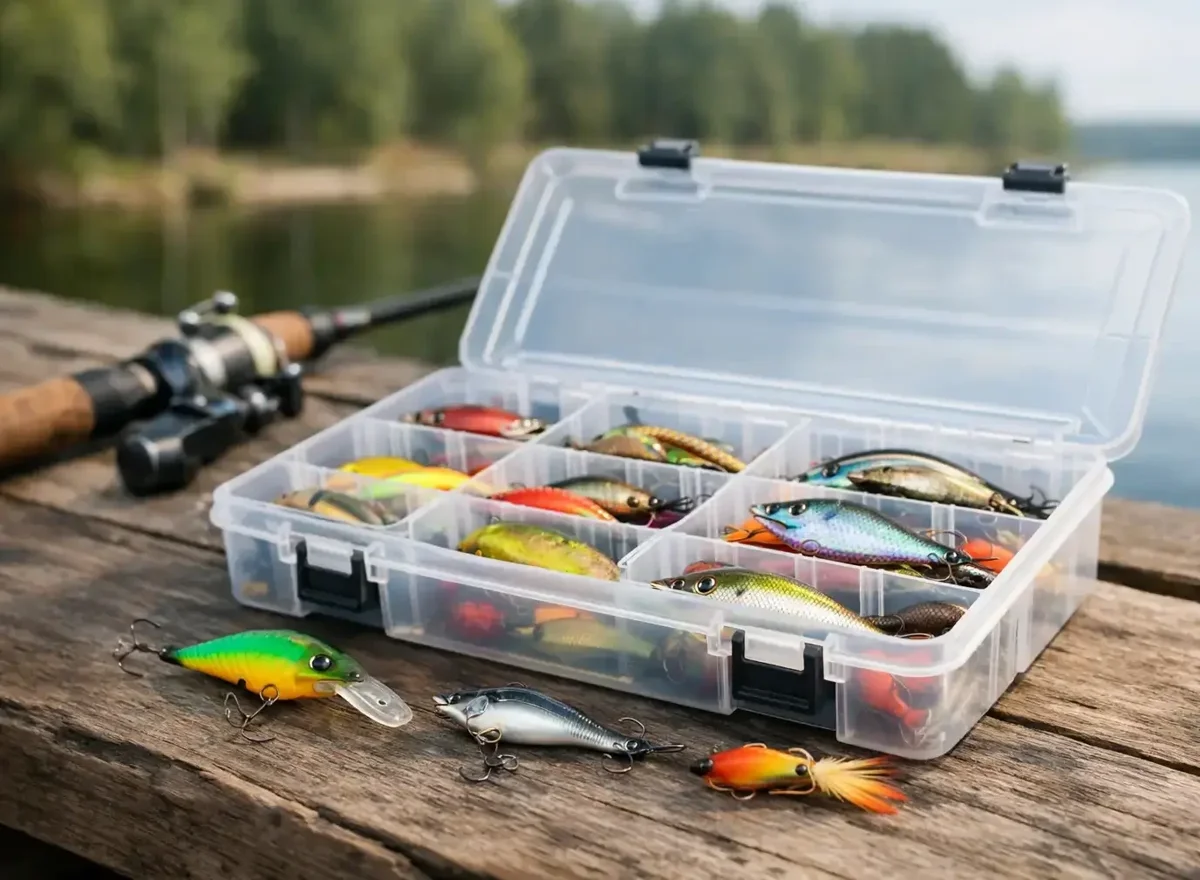
A lure box full of rusty trebles, tangled traces and soft plastics melted into a mess usually starts with good intentions. Most anglers mean to sort it later, then a wet session, a rushed pack-away and a few weeks in the shed do the damage. If you're wondering how to store fishing lures properly, the aim is simple - keep them dry, separated where needed, and easy to find when you actually need them.
Good lure storage is not just about neatness. It protects hooks, split rings, finishes and bodies, and it saves time on the bank. Whether you fish canals, reservoirs, rivers or the coast, a sensible system means less waste, fewer replacements and far less rummaging with cold hands.
Why lure storage matters more than most anglers think
Lures take more abuse than many bits of tackle. They get soaked, knocked about in trays, left in damp bags and exposed to salt, mud and fish slime. Even quality hooks and hardware will start to suffer if moisture is trapped in a closed box.
The biggest problems are usually rust, hook tangles and damage to lure bodies. Hard baits chip and scratch when they bounce around together. Soft plastics can bend out of shape or react with other materials if stored badly. Spinnerbaits and spoons can tarnish, and anything put away wet is asking for trouble.
There is also the practical side. When lures are stored by type, size or use, you waste less time searching and more time fishing. That matters whether you are fitting in a quick evening session after work or packing for a full day on unfamiliar water.
How to store fishing lures by lure type
Different lures need slightly different treatment. That is where many storage problems start - one box, everything thrown in, and no thought to how the materials behave.
Hard lures
Plugs, crankbaits, jerkbaits and minnows are usually best kept in compartment tackle boxes. Individual sections stop trebles tangling together and help protect painted finishes. If the compartments are too small, hooks catch on neighbouring lures and you end up forcing them apart, which chips lacquer and bends points.
For hard lures that have been used, dry them before putting them back in a sealed box. Even a small amount of trapped moisture can spread rust through a tray surprisingly quickly. If you've been fishing saltwater, rinse them in fresh water first and let them dry fully.
Soft plastics
Soft plastics need more care than many anglers realise. Some are fine in utility boxes, but many are better left in their original packets, especially scented lures or those made from softer compounds. Mixing different brands and materials can sometimes lead to warping, colour bleed or the lure body breaking down.
Straight-tail worms, shads and creature baits also hold their shape better when they are not crammed into an overfilled tray. Bent tails and kinked bodies can affect how a lure fishes, particularly with lighter presentations.
Metal lures and spinners
Spoons, spinners and small metal jigs store well in divided boxes, but only if they are dry before the lid closes. These lures are tough, but their hooks, swivels and split rings are still vulnerable to corrosion. If you fish rivers or reservoirs regularly in poor weather, it is worth checking these trays more often than you think necessary.
Spinnerbaits, chatterbaits and larger rigs
Awkward shapes do not always suit standard compartment boxes. For these, deeper boxes or hanging storage in a larger tackle bag can work better. The key is not crushing silicone skirts or bending wire arms out of shape.
The best place to keep lure boxes at home
Learning how to store fishing lures on the bank is one thing. Storing them properly at home matters just as much, because that is where damp quietly does the most damage.
A dry indoor space is better than a cold shed or garage if you have the choice. Lofts, utility rooms, spare cupboards and heated tackle rooms all beat a draughty outbuilding. UK weather is not kind to tackle, and repeated swings between cold and damp conditions will find any weakness in your storage setup.
That said, not everyone has spare indoor space. If your tackle does live in a shed or garage, use sealed boxes and keep them off the floor. A simple shelf makes a difference. Damp rises, condensation forms, and a box left in the wrong corner through winter can leave you with a nasty surprise by spring.
It also helps to store lure boxes loosely rather than packed tight into a wet carryall from the last trip. Bags need airing too. A good storage system is not just about the lures themselves, but the environment around them.
Drying lures before storage
This is the step most often skipped because everyone is tired when they get home. It is also one of the most important.
After a session, take used lures out of the box or wallet and let them air dry. A cloth helps, but do not just wipe quickly and shut the lid. Hooks, split rings and hook hangers all trap water. Give them time.
If you have fished saltwater or brackish water, rinse lures in fresh water first. Salt left on hardware speeds up corrosion, even if the lure looks dry on the surface. Once they are dry, check hook points, split rings and lure bodies before putting them back into storage.
This is also a good time to remove weed, old line fragments and any soft plastic bits stuck to hook bends. Small bits of mess left in a tray soon make the whole box harder to manage.
Should you use silica gel or anti-rust protection?
In many cases, yes. Silica gel packs can help reduce moisture in lure boxes, especially during colder months or if tackle is stored in less-than-ideal conditions. They are not magic, and they do not replace drying your kit properly, but they can help keep boxes drier.
Anti-rust tabs and corrosion inhibitors can also be useful, especially for anglers who carry a lot of trebled hard baits. They are most worthwhile if you fish often, store tackle in a garage, or use lures in coastal conditions.
The trade-off is that these extras help maintain gear, but they do not fix poor habits. If wet lures keep going straight back into a closed box, no insert or sachet is going to solve the problem for long.
Organising lures so they are easy to use
The best storage system is the one you will actually keep up with. Some anglers like to sort by lure type, others by target species or venue. Both can work.
If you fish several styles, storing by category usually makes most sense - hard baits in one set of trays, soft plastics in another, metal lures in their own section. If your fishing is more focused, you may prefer boxes set up by purpose, such as perch, pike, trout or bass.
Season and venue also matter. A compact box for canal perch fishing may look very different from what you take for a day after pike on a reservoir. Keeping a main stock at home and building smaller session boxes can save carrying gear you will never use.
Labels help more than people like to admit. When trays are stacked in a cupboard or tackle bag, a simple label avoids opening six boxes to find one size of shad head or a particular diving lure.
Common mistakes when storing fishing lures
The biggest mistake is putting them away wet. After that, it is usually overcrowding boxes, mixing soft plastics carelessly, and keeping everything in damp places for months on end.
Another common issue is ignoring hooks until they are beyond saving. A lure body may still look fine, but if the trebles are dull or lightly corroded, performance drops. Poor storage often shows up first at the hook point.
It is also easy to carry too much. Overloaded lure storage leads to crushed plastics, tangled trebles and trays that are awkward to use. A slimmer, better-organised setup is normally more practical than a giant box packed with every lure you own.
A simple routine that works
For most anglers, a straightforward habit beats a complicated system. After each trip, take out used lures, dry them properly, rinse any that have seen salt, and return them to the right tray or packet. Every so often, check for rust, sharpen or replace hooks, and clear out lures you no longer use.
That approach keeps tackle usable without turning storage into a job in itself. It is the sort of practical routine many anglers settle on over time, and it is usually all you need.
At Astute Angling - Saltwater, we know most fishing kit lasts longer when it is treated sensibly rather than fussed over. Store your lures dry, keep them organised, and your next session starts with tackle you can trust rather than tackle you have to rescue.




Thank you for posting your blog comment. It will be reviewed and set live soon. If you provided your email then you will be notified of replies to this comment.